



Винтажный свитер это не просто одежда а история моды
Время редактирования:2025-12-09 12:01:10
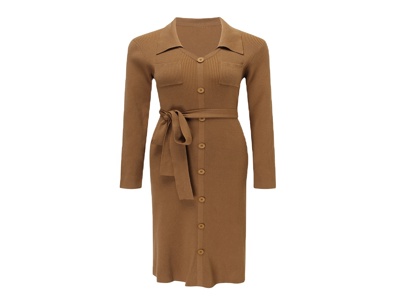
В мире моды, где тренды приходят и уходят с головокружительной скоростью, винтажный свитер стоит особняком. Это не просто кусок ткани, сшитый для утепления тела; это настоящая летопись, сплетенная из нитей времени, эмоций и культурных сдвигов. Каждый стежок, каждый узор, каждый оттенок пряжи рассказывает свою собственную историю — историю эпохи, в которую он был создан, историю рук, которые его вязали, и историю душ, которые его носили. Винтажный свитер — это мост между прошлым и настоящим, материальное свидетельство того, как мода отражает и формирует общество.
Представьте себе: вы надеваете винтажный свитер 1970-х годов, ощущаете мягкость шерсти, вдыхаете едва уловимый аромат прошлого, и внезапно оказываетесь в другом времени. Может быть, это свитер, связанный бабушкой для дедушки перед их первой встречей, или модный предмет из коллекции дизайнера, вдохновленного бунтарским духом панк-движения. В этом заключается магия винтажа — он не просто одевает тело, он одевает душу, напоминая нам о непрерывности человеческого опыта.
В этой статье мы отправимся в путешествие по истории моды через призму винтажного свитера. Мы исследуем, как простой предмет гардероба превратился в символ наследия, ностальгии и устойчивости. От зарождения вязания как ремесла до его расцвета в массовом производстве, от влияния мировых войн до культурных революций 1960-х и 1990-х — каждый этап оставил свой след на вязаных изделиях. Мы также рассмотрим, почему в XXI веке винтажный свитер переживает ренессанс, становясь неотъемлемой частью современного стиля и экологичного подхода к моде.
Но прежде чем углубляться в детали, давайте определим, что такое винтажный свитер. Обычно под винтажом понимают предметы одежды, созданные не менее 20 лет назад, но еще не достигшие статуса антиквариата (который обычно относится к вещам старше 100 лет). Для свитера это означает изделия из 1920-х до 1990-х годов, хотя некоторые могут включать и ранние 2000-е. Ключевые характеристики — уникальность, качество изготовления, историческая ценность и способность вызывать эмоциональный отклик. В отличие от новой одежды, винтажный свитер часто несет на себе следы времени: легкий износ, выцветание цвета или даже запах эпохи, что только добавляет ему шарма.
История винтажного свитера неразрывно linked с историей вязания itself. Вязание, как техника, существует тысячелетия, с evidence dating back to ancient Egypt and the Middle Ages. Initially, it was a practical skill for creating warm garments, but over time, it evolved into an art form. In the 19th century, the Industrial Revolution brought knitting machines, making sweaters more accessible. However, hand-knitted sweaters remained cherished for their personal touch. The term "sweater" itself emerged in the late 1800s, derived from the garment's use in sports to induce sweating during exercise.
The 1920s marked a turning point for sweaters in fashion. With the rise of casualwear and the influence of figures like Coco Chanel, sweaters became symbols of modernity and freedom. Women embraced them as part of the flapper style, often paired with skirts for a chic, androgynous look. Vintage sweaters from this era are rare treasures, characterized by fine gauges, intricate patterns, and luxurious materials like cashmere or silk. They reflect the optimism and cultural shifts of the Jazz Age, a time when fashion began to break away from Victorian constraints.
Moving into the 1930s and 1940s, sweaters took on new roles during the Great Depression and World War II. Knitting became a patriotic act, with women on the home front creating sweaters for soldiers. These garments were practical, durable, and often featured utilitarian designs. Vintage sweaters from this period tell stories of resilience and community. Post-war, the 1950s saw a resurgence of femininity in fashion, with sweaters becoming softer, more fitted, and adorned with playful motifs like poodles or nautical themes. Icons like Marilyn Monroe and James Dean popularized the sweater as a staple of American casual style, embedding it deeply into popular culture.
The 1960s and 1970s were decades of rebellion and self-expression, and sweaters were at the forefront. From the mod styles of London with bold geometric patterns to the hippie movement's love for handmade, ethnic-inspired knits, vintage sweaters became canvases for cultural statements. Designers like Missoni and Sonia Rykiel elevated the sweater to high fashion, experimenting with colors and textures. This era also saw the rise of synthetic fibers, which allowed for more vibrant and affordable options. A vintage sweater from the 70s might feature psychedelic prints, fringe, or oversized silhouettes, capturing the spirit of freedom and experimentation.
In the 1980s and 1990s, sweaters embraced excess and then minimalism. The 80s were all about power dressing, with chunky knits, shoulder pads, and logos becoming status symbols. Think of the iconic Christmas sweaters or the preppy styles worn in films like "Pretty in Pink." Then, the 90s shifted towards grunge and minimalism, with vintage sweaters often being oversized, slouchy, and in muted tones. This period also marked the beginning of mass production, leading to a proliferation of sweaters that are now considered vintage. Each decade added layers to the narrative, making vintage sweaters rich with historical context.
Beyond aesthetics, vintage sweaters are imbued with cultural significance. They serve as artifacts of social history, reflecting changes in gender roles, technology, and global influences. For example, a Fair Isle sweater from the 1920s not only showcases traditional Scottish patterns but also speaks to the globalization of fashion as these designs spread worldwide. Similarly, a sweater from the 1980s might feature political slogans or band logos, capturing the zeitgeist of youth culture and activism.
Moreover, vintage sweaters are treasures of sustainability. In an era of fast fashion, where clothing is often discarded after few wears, vintage items stand as antitheses to waste. By choosing vintage, we reduce environmental impact, support circular economy, and preserve craftsmanship. Each sweater has already stood the test of time, proving its quality and durability. This aligns with the growing movement towards ethical fashion, where consumers seek meaning and longevity in their purchases.
The emotional connection to vintage sweaters cannot be overstated. They often come with stories—passed down through generations, found in thrift stores, or acquired as souvenirs. Wearing a vintage sweater is like carrying a piece of history with you; it fosters a sense of continuity and belonging. In psychology, this is linked to nostalgia, which can enhance well-being by connecting us to positive memories and identities.
In contemporary fashion, vintage sweaters have made a triumphant return. Celebrities, influencers, and designers frequently incorporate them into their looks, celebrating uniqueness and authenticity. High-fashion brands often draw inspiration from vintage patterns, reinterpreting them for modern audiences. This resurgence is not just a trend but a shift in values—towards individuality, sustainability, and appreciation for the past.
To care for and integrate vintage sweaters into your wardrobe, consider their delicate nature. Gentle cleaning, proper storage, and repairs can extend their life. Styling them with modern pieces creates a balance between old and new, allowing the sweater to shine as a statement piece. Whether paired with jeans for a casual day or layered over a dress for elegance, vintage sweaters add depth and character to any outfit.
In conclusion, the vintage sweater is far more than clothing; it is a narrative woven from the threads of history, culture, and personal experience. It reminds us that fashion is not merely about appearance but about connection—to our past, to each other, and to the world. As we move forward, let us cherish these garments not as relics but as living histories, continuing to tell their stories for generations to come.
So next time you slip on a vintage sweater, take a moment to appreciate the journey it has undertaken. Feel the weight of its history, and remember: you are not just wearing a piece of fabric; you are wearing a chapter of the ever-evolving story of fashion.
- Предыдущая статья: Почему вязаные напульсники так популярны у атлетов
- Следующий пост: Трикотажная маска новая защита зимой
